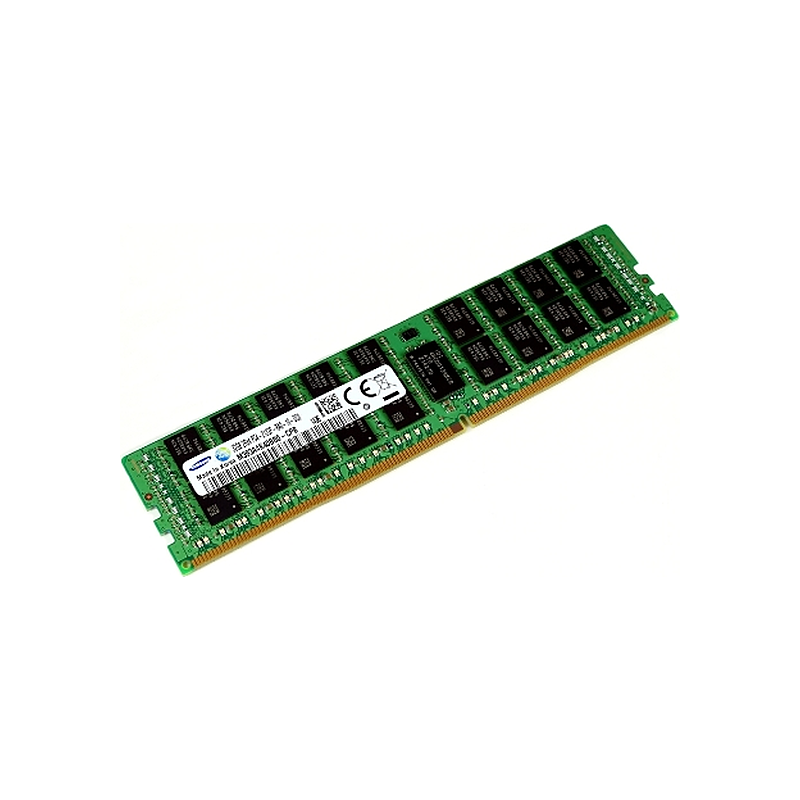
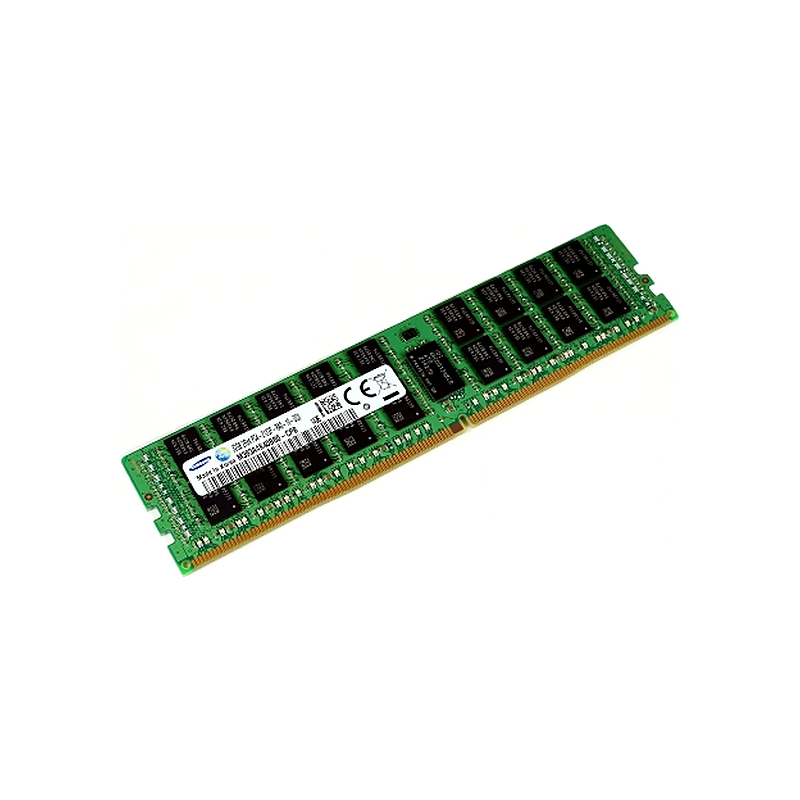
Samsung 8GB DDR4-2666 RDIMM 1Rx8 Server Memory (M393A1K43BB1-CTD)
8 GB DDR4-2666 PC4-21300 ECC registered RDIMM, 1Rx8, 1.2 V, 288-pin; five ordering codes from M393A1K43BB1-CTD to -CTD8Q
- Part Number
- M393A1K43BB1-CTD
- Brand
- Samsung
- Category
- Server Memory
- Accepted Payments
- T/T Bank Transfer PayPal Western Union
Technical Specifications
| Capacity | 8 GB |
|---|---|
| Memory Type | DDR4 |
| Speed | 2666 MT/s |
| Form Factor | RDIMM |
| Rank | 1Rx8 |
| ECC | ECC |
| Voltage | 1.2 V |
| Module Height | Standard |
| Condition | New · Used |
Frequently Asked Questions
Samsung 8 GB DDR4-2666 ECC registered RDIMM built from nine x8 packages in a single rank, 1.2 V, 288-pin. The JEDEC bin is PC4-21300V, CAS latency 19 at the 1,333 MHz clock, 14.25 ns, and 21.3 GB/s peak per 64-bit channel.
Samsung's own page for this part states the composition plainly as (1G x 8) x 9 — nine one-gigabit-wide packages of eight gigabits each, which is exactly one 72-bit rank and eight gigabytes of addressable space. It also records the product status as end of life, which is a fact about Samsung's catalogue rather than about the modules themselves, and this page returns to it further down.
Five ordering codes carry the same module. They are listed in one table near the foot of the page, in ascending suffix order, because that is how a parts list tends to present them.
Technical specifications
| Part number | M393A1K43BB1-CTD, with the five ordering codes listed under Ordering codes (catalogue code M393A1K43BB1) |
|---|---|
| Capacity | 8 GB per module, single module |
| Organisation | 1Rx8 — one rank of nine x8 devices, (1G x 8) x 9 as Samsung prints it, 72 Gb in total on 8 Gb components |
| Speed | DDR4-2666, PC4-21300, 2,666 MT/s, 21.3 GB/s peak per 64-bit channel |
| Timings | CL19 at 1,333 MHz, 14.25 ns; JEDEC 2666V bin |
| Voltage | 1.2 V nominal |
| Form factor | 288-pin RDIMM, standard height 31.25 mm, bare PCB with no heatspreader |
| Register | On-module register buffers the command and address bus, so the module needs a controller that supports registered memory |
| Error handling | ECC across the 64-bit data path, plus parity on the registered command and address path |
| Manufacture | Samsung; assembly site and date code vary by production run and are printed on the module, not fixed by the part number |
| Condition | New and tested pulls, both stocked |
Reading the label, field by field
Capacity, organisation and the PC4 bin come from the part number and cannot be argued with. Revision letters, the SPD level and the date code come from the production run and say something about the batch instead. The table keeps the two apart.
| Printed as | Means | Why it decides a purchase |
|---|---|---|
| 8GB | Capacity of this one module | Sets the slot count needed for a target size, and it is the one field no firmware setting can override |
| 1Rx8 | One rank, x8 device width | Two ranks per channel is the ceiling most guides publish for 2,666; a single-rank module reaches two modules per channel before that ceiling bites |
| PC4-21300V | DDR4-2666, bin V, which is CL19 | The bin letter is the latency grade. DDR4-2666 is sold at CL19 and at faster grades, and they are not the same part |
| -R | Registered, not unbuffered | A register buffers command and address so a channel can hold more modules; without it the same slot count will not train |
| BB1 | Die generation and raw card revision | Same capacity, rank and speed as its neighbours in the family; it records which silicon the board was populated from |
| CTD6Q … CTD8Q | Two-character suffix after the speed block | The field a purchase order quotes. Every suffix in this family is the same length, unlike the older 2,133 codes |
| Raw card block | Raw card revision, printed before the SPD number | Decides nothing until a platform's qualified list names one raw card for a slot population |
| SPD revision | Two-digit JEDEC SPD revision | Firmware reads low revisions conservatively, so an early SPD in a late BIOS is a compatibility question rather than a fault |
| YYWW | Date code, year and week | On a pull it is the only honest measure of service life, and at this speed every module on the market is a pull or old stock |
What the two-DIMM-per-channel rating actually promises
Samsung prints a standard line on this product page: the module supports up to two ranks per DIMM and a two-DIMM-per-channel configuration. That is the envelope the part was qualified inside, not a statement about any particular board. It tells a buyer that the module is not the limiting factor at 2 modules per channel, and it leaves the derating table to the platform documentation, where it belongs.
The distinction matters because rank count per channel, not module count, is what those tables measure. Two of these modules in a channel is two ranks, comfortably inside the published ceiling. Two 2Rx8 modules of the same capacity and speed is four ranks, which is where boards start dropping the channel to 2,400 or 2,133 on their own. A single-rank 8 GB module is therefore the way to keep 2,666 while filling every slot.
One caution that the datasheet cannot express: the second module in a channel is where signal integrity gets tested, and a channel that trains cleanly with one module is not evidence about two. Population tests belong on the actual board, with the actual firmware.
Where 2,666 sits, and which populations keep it
Between 2,400 and 3,200 the gain is modest and the cost is timing margin. Compared with 2,400 CL17 the bandwidth rises about eleven per cent while absolute latency barely moves — 14.25 ns against 14.17 ns — which is why 2,666 became the default fill for the second Scalable generation rather than an upgrade anyone chased.
The populations follow from the slot count. Twelve slots at 8 GB is 96 GB, sixteen is 128 GB, twenty-four is 192 GB. All of those are one or two modules per channel at a typical six-channel layout, so all of them stay inside the two-rank ceiling and hold the rated clock. Step to 32 GB modules for density and the same slots reach 384 GB or 768 GB, at which point the cost per gigabyte and the derate both change character.
Mixing rules and what breaks first
Speed is not a hard rule inside DDR4, only a slow one. A 2,400 or 2,133 module in this channel is accepted and the channel adopts the slower timing silently; nothing in the operating system reports it, and the only evidence is a benchmark or a firmware log line that most operators never read.
Generation and buffering are hard rules. DDR3 will not seat, DDR5 uses another keying, and an unbuffered module of the same capacity looks identical from arm's length while being electrically wrong for a registered board. None of those three mistakes produces a warning, only a machine that does not post.
Rank is the soft rule that catches experienced buyers. Mixing this 1Rx8 module with a 2Rx8 module of the same capacity gives three ranks in the channel and takes it outside every published table. Mixing it with a 1Rx4 module gives two ranks and stays legal, which is the one mixed pairing on this platform that behaves predictably.
Which platforms run these at rated speed
2,666 is native to the second Xeon Scalable generation and accepted, at a derate, by later parts. Three pages in the catalogue sit closest:
- Xeon Gold 5218 runs its memory at 2,666, so this module holds its label value with no derating at one module per channel.
- Xeon Silver 4314 is also rated 2,666 and uses the newer socket, which makes it the least expensive way to keep this clock.
- Xeon Platinum 8260 is rated 2,933, so a 2,666 module there sets the channel ceiling rather than following it.
The module fits all three. What differs is which one of them is being slowed down, and by how much.
Ordering codes and what to check at goods-in
Five codes carry this module. M393A1K43BB1 fixes family, device width and revision; CTD carries the 2,666 speed block; and the last two characters are the ordering suffix. Unlike the older 2,133 codes in this catalogue, every suffix here is exactly two characters, which makes transcription the easy part. Samsung publishes no decoder for the suffix, so treat it as a build identifier: capacity, rank and speed are settled before it begins.
On availability: Samsung lists this part as end of life. That is not a warning about the module, it is a statement about the catalogue — the line has moved to the secondary market, where supply is stock that was never deployed plus tested pulls from retired fleets. Both are stocked here, both carry the same cover, and neither is presented as factory-new production.
| Code | Type | Build tail | Condition | Quote |
|---|---|---|---|---|
| M393A1K43BB1 | Catalogue code | Family code without a speed block; the V build listed here is the PC4-21300 / 2,666 MT/s one | New / used | Enquire |
| M393A1K43BB1-CTD | Ordering code | Base code, no suffix appended | New / used | Enquire |
| M393A1K43BB1-CTD6Q | Ordering code | 6Q | New / used | Enquire |
| M393A1K43BB1-CTD6Y | Ordering code | 6Y | New / used | Enquire |
| M393A1K43BB1-CTD7Y | Ordering code | 7Y | New / used | Enquire |
| M393A1K43BB1-CTD8Q | Ordering code | 8Q | New / used | Enquire |
- The suffix is two characters everywhere here. Six, seven and eight are distinct codes, not a sequence — quote what the paperwork says.
- 1K matters more than the speed block. The second group decides whether 8 GB is nine 8 Gb devices in one rank or eighteen 4 Gb devices in two; both exist at 2,666.
- Buy single rank for a full population. Eight or twelve slots filled with two-rank modules is a different rank budget from the same slots filled with these.
- Read the date code. The part is end of life, so age tells you how long a pull has been working and how much of its service life is already spent.
Warranty, lead time and purchasing
Cover runs for one year from dispatch on both conditions, new stock and tested pulls, logged against the part number and the batch rather than the invoice. Pulled modules are verified in matched sets before they are packed and the test record ships with them. Warehouse stock leaves in three to seven working days with tracking issued on dispatch, and the minimum order is two pieces.
Price is quoted rather than printed. Two conditions, five codes and an end-of-life market move too often for a page figure to stay honest, so send the code, the quantity, the condition and the platform and a number comes back the same working day.
Get Pricing For This Part
Tell us who you are — we reply within one working day with a firm quote, stock status and lead time. Volume discounts available.
Related Products
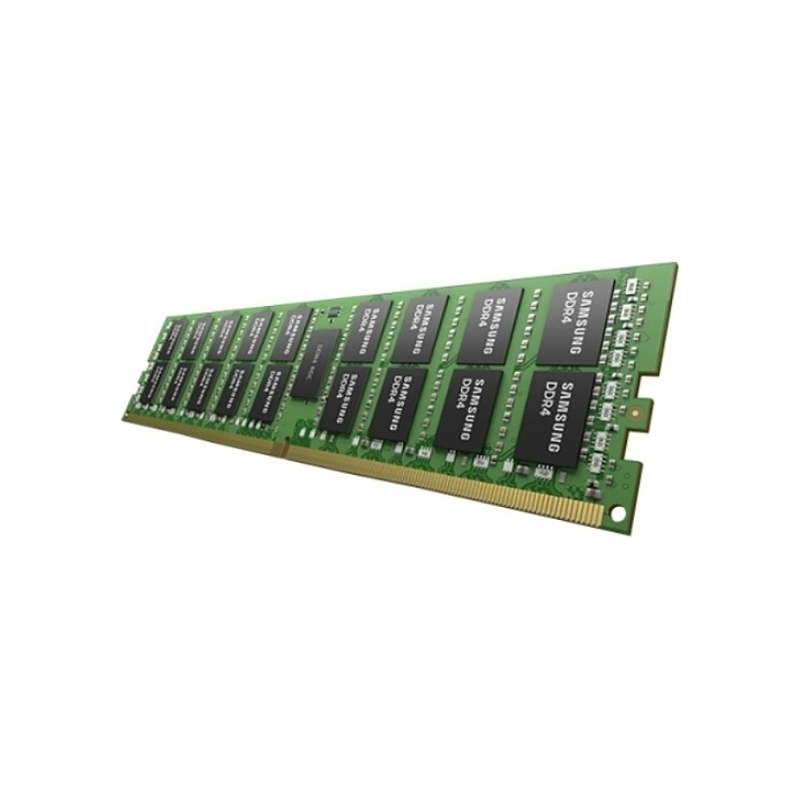
16 GB DDR4-2933 PC4-23400 ECC registered RDIMM, 2Rx8 on eighteen 8 Gb x8 packages, 1.2 V, 288-pin; six ordering codes under M393A2K43CB2-CVF with BY, CO, BQ, C0 and GQ tails
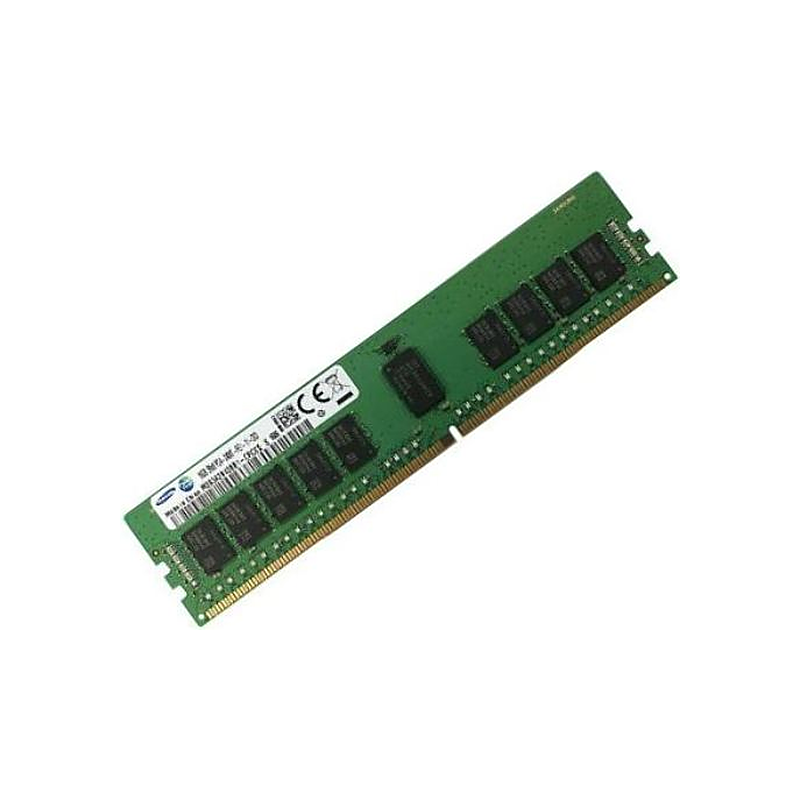
16 GB DDR4-2400 PC4-19200 ECC registered RDIMM, 2Rx8 on eighteen 8 Gb x8 packages, 1.2 V, 288-pin; eighteen ordering codes under the M393A2K43BB1 and M393A2K43CB1 revisions
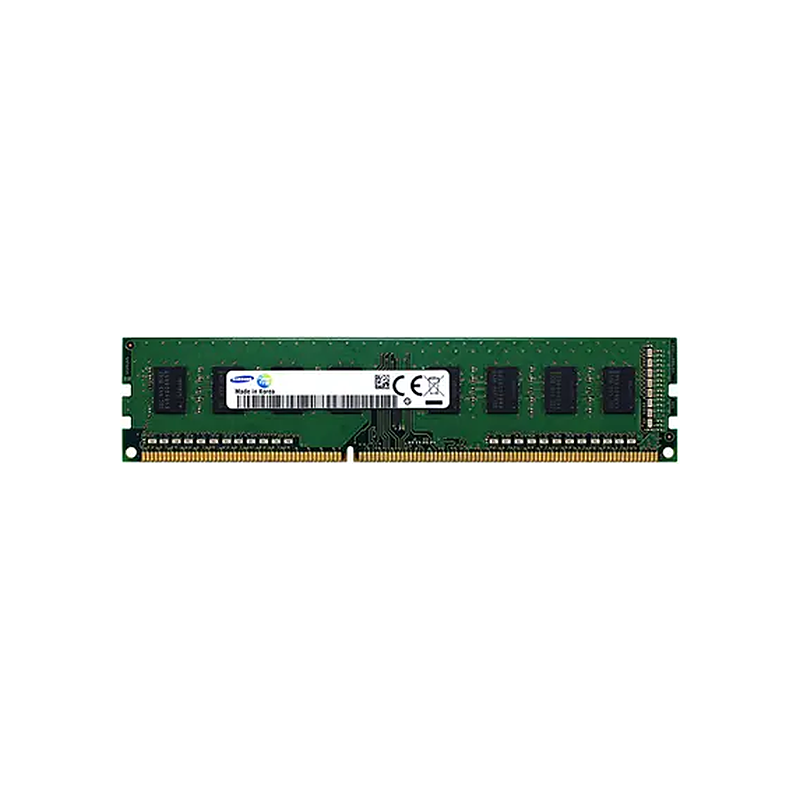
16 GB DDR4-2133 PC4-17000 ECC registered RDIMM, 2Rx8 on eighteen 8 Gb x8 packages, 1.2 V, 288-pin; nine ordering codes from M393A2K43BB1-CPB through the CPBQ tail
16 GB DDR4-2666 PC4-21300 ECC registered RDIMM, 2Rx8 on eighteen 8 Gb x8 packages, 1.2 V, 288-pin; six ordering codes under M393A2K43BB1-CTD with 6Q, 6Y, 7Q, 7Y and 8Q tails