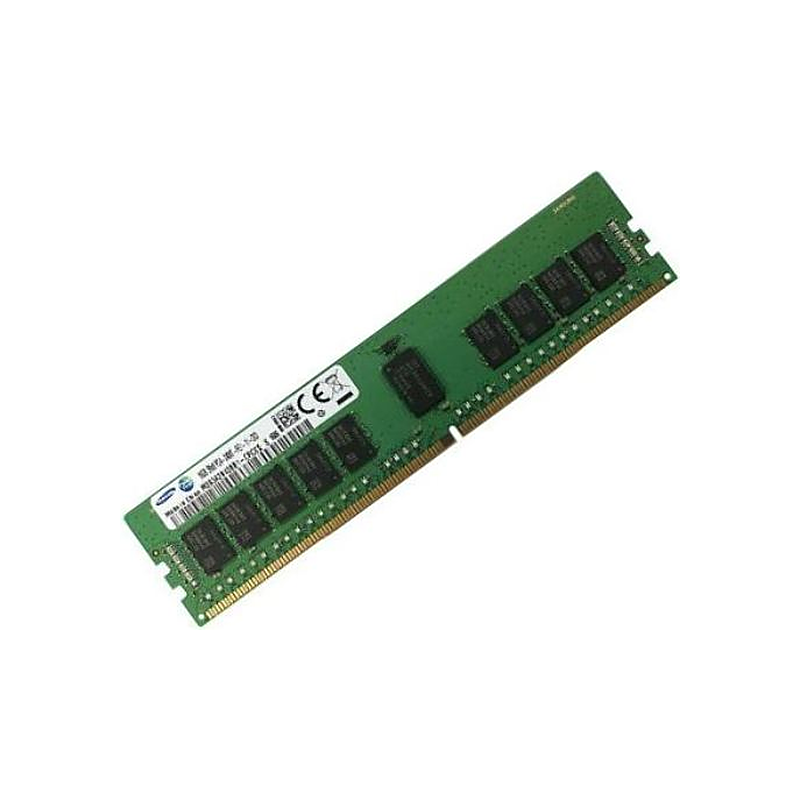
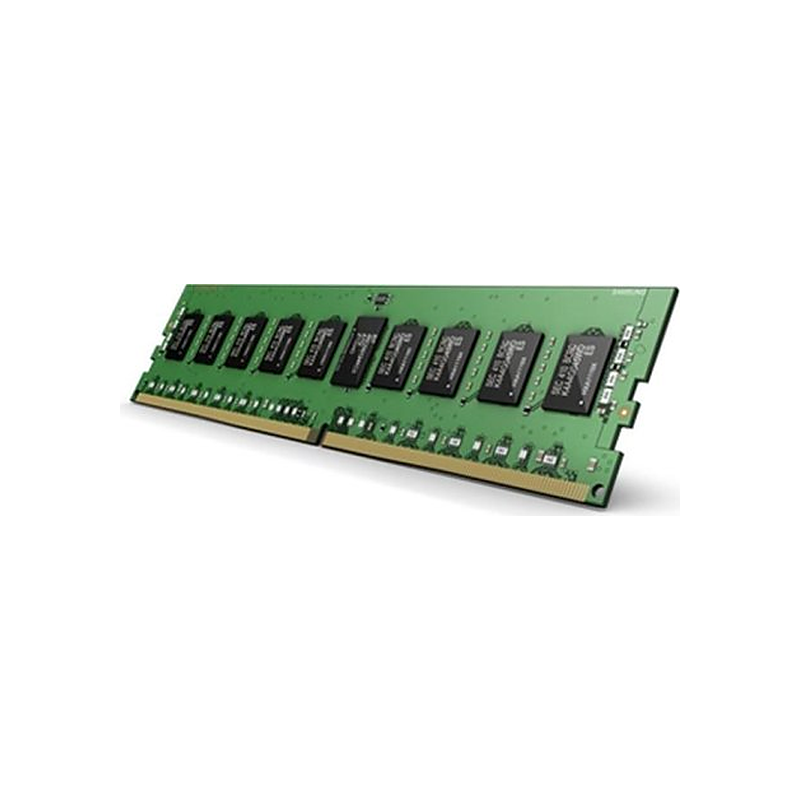
Samsung 16GB DDR4-2400 RDIMM 2Rx8 Server Memory (M393A2K43BB1-CRC)
16 GB DDR4-2400 PC4-19200 ECC registered RDIMM, 2Rx8 on eighteen 8 Gb x8 packages, 1.2 V, 288-pin; eighteen ordering codes under the M393A2K43BB1 and M393A2K43CB1 revisions
- Part Number
- M393A2K43BB1-CRC
- Brand
- Samsung
- Category
- Server Memory
- Accepted Payments
- T/T Bank Transfer PayPal Western Union
Technical Specifications
| Capacity | 16 GB |
|---|---|
| Memory Type | DDR4 |
| Speed | 2400 MT/s |
| Form Factor | RDIMM |
| Rank | 2Rx8 |
| ECC | ECC |
| Voltage | 1.2 V |
| Module Height | Standard |
| Condition | New · Used |
Frequently Asked Questions
Samsung 16 GB DDR4-2400 ECC registered RDIMM at standard height, two ranks of nine x8 devices on a 288-pin board at 1.2 V. PC4-19200 at CAS latency 17, 14.17 ns at the 1,200 MHz clock, and 19.2 GB/s peak per 64-bit channel.
Sixteen gigabytes with x8 devices needs two ranks, because a rank is seventy-two bits wide and a x8 package supplies only eight of them. That is the shape's one real cost: two ranks per module means four per channel at two modules per channel. At 2,400 that cost is usually affordable — boards built for this clock hold four ranks without easing back — which is why this is the grade where the x8 build makes the most sense and the grade above it is where it starts to hurt.
Two die revisions carry it, M393A2K43BB1 and M393A2K43CB1, under the same nine ordering codes each. Eighteen codes in one table at the foot of the page, one set of specifications above them.
Technical specifications
| Part number | M393A2K43BB1-CRC and M393A2K43CB1-CRC — two revisions of one module, with the eighteen ordering codes listed under Ordering codes |
|---|---|
| Capacity | 16 GB per module, single module |
| Organisation | 2Rx8 — two ranks of nine x8 devices, eighteen 8 Gb packages in total, 144 Gb of silicon delivering 128 Gb of data plus the eight check bits that travel with every 64-bit transfer; 2G x 72 at module level |
| Speed | DDR4-2400, PC4-19200, 2,400 MT/s, 19.2 GB/s peak per 64-bit channel |
| Timings | CL17 at 1,200 MHz, 14.17 ns; JEDEC 2400T bin |
| Voltage | 1.2 V nominal |
| Form factor | 288-pin RDIMM at standard height, 31.25 mm, bare PCB with no heatspreader |
| Register | On-module register buffers the command and address bus, so the board has to accept registered memory |
| Error handling | ECC across the 64-bit data path. x8 devices correct at symbol level; retiring a whole package needs x4 granularity and a controller that supports it |
| Manufacture | Samsung; assembly site and date code vary by production run and are printed on the module rather than fixed by the part number |
| Condition | New and tested pulls, both stocked |
What the part number encodes
The width and the rank are the two fields people skip, and they are the two that decide how a population behaves. Everything else on the line is a clock, a capacity or a batch marker.
| Printed as | Means | Why it matters at purchase |
|---|---|---|
| M393 | Standard-height registered module | The 31.25 mm board; the low-profile build of this capacity carries M392 |
| 2K | Sixteen-gigabyte class | Capacity before rank and width narrow it to a shape |
| 43 | x8 device width | Nine devices to a rank rather than eighteen, and no whole-device retirement |
| 2Rx8 | Two ranks of nine devices | Two ranks against a channel budget; at two modules per channel that is four |
| PC4-19200T | DDR4-2400, bin T, which is CL17 | The letter states the timing grade; a listing without it has named a clock and left latency open |
| -R | Registered, not unbuffered | A different electrical interface from an unbuffered module of the same capacity, and it will not train in that slot |
| BB1 / CB1 | Successive die revisions of one design | Records which silicon generation and raw card built the assembly; both carry the same organisation and clock |
| CRC | The 2,400 speed block | Neighbouring blocks in this family are other clocks, so the block letter needs checking rather than assuming |
| 00 … 4Y | Ordering suffix, two characters each | What the purchase order quotes, and the only field that differs inside one revision |
| YYWW | Date code, year and week | The only service history a pull carries, and the first field to read when judging remaining life |
Why the rank penalty is cheaper at 2,400
The x8 build puts two ranks in a slot where the x4 single-rank build puts one. Population rules count ranks, so two modules per channel is four ranks here and two on the single-rank part. What differs between the two clocks is how the board reacts to that: at 2,400, a four-rank channel is still inside the published envelope on most DDR4 machines and the clock holds; at 2,666 and above the same population is where firmware starts easing back, usually to 2,400, without saying so.
That is the whole argument for this grade. If the build will be two modules per channel, the x8 shape at 2,400 collects the clock it advertises, while the same shape one bin higher often does not. The rank penalty is not abolished, it is simply not paid in speed at this clock, and the money saved against the faster grade is real.
What remains is headroom. A three-slot-per-channel board, or a mixed inventory where some slots carry single-rank parts, will find the extra ranks of this module the first thing to check against the table. Rank is the budget that cannot be exceeded quietly.
What the width still costs
Error granularity does not improve with a lower clock. x4 devices let a controller take a failing package out of service and continue on the spare bits — chipkill, or advanced ECC, depending on the vendor's name for it. Eight-bit devices correct symbol errors but cannot be retired as a unit, so a failure takes a slice of the data path with it. Both arrangements are ECC and both fix single-bit errors; the difference shows in the reliability matrix rather than in a bandwidth figure.
Where the platform specification names chipkill or SDDC, this module does not satisfy it and the x4 part of the same capacity does. Where the requirement is ECC alone, the width is a price and package-count question rather than a capability one.
Population arithmetic
Two modules per channel at 16 GB is 32 GB per channel, so eight channels gives 256 GB and twelve gives 384 GB, at four ranks per channel in both cases. One module per channel halves the capacity and the rank count, which is the configuration to choose when the machine is being built for a specific job rather than filled for maximum memory.
The comparison worth making is against the single-rank sixteen-gigabyte part at the same clock. It carries the same eighteen packages but occupies one rank, so the same capacity fits twice as many modules inside the rank budget, and chipkill stays. Its price is usually within a few percent. The x8 module wins when it is materially cheaper or when the installed base is already built from it; it rarely wins on specification.
Which platforms run these at 2,400
The channel takes the lower of the module rating and the platform rating, and these three cover the common cases:
- Xeon E5-2667 v4 is rated 2,400, and its generation is where four ranks per channel still hold the clock in practice.
- Xeon Silver 4210 is rated 2,400 on the newer socket, so the module runs at label speed there as well.
- Xeon Gold 5218 is rated 2,666 and will report 2,400 with this module in the channel.
None of the three needs configuring, and none is harmed by the difference. The part number describes the module; what the machine reports is firmware's decision.
Ordering codes, two revisions, and what to check at goods-in
Eighteen codes carry this module, nine under each revision, and the two families share the same tail set exactly. The family code fixes height class, density, device width and revision, CRC fixes the 2,400 speed block, and the last two characters name the build. Every tail here is two characters, running through 00, 0Q, 0Y, 30, 3Q, 40, 4Q and 4Y — the fuller set this clock was issued with, against the five tails the 2,666 family of the same capacity carries.
Because the tails repeat exactly across BB1 and CB1, a code moves between them by changing one letter, and the revision is the only field to confirm when a substitute is proposed. That has been the pattern at 2,400 for this capacity; it is not the pattern at 2,666, where each revision was issued with its own set and one of them holds a single tail.
On the revisions themselves: both are sixteen gigabytes of DDR4-2400 at 1.2 V in the 2R x 8 organisation of eighteen 8 Gb devices. The letters record successive silicon generations of one raw card, and either runs beside the other in a channel.
| Code | Build | Build tail | Condition | Quote |
|---|---|---|---|---|
| M393A2K43BB1 | BB1 catalogue | Family code without a speed block; the BB1 build listed here is the PC4-19200 / 2,400 MT/s one | New / used | Enquire |
| M393A2K43BB1-CRC | BB1 | Base code, no suffix appended | New / used | Enquire |
| M393A2K43BB1-CRC00 | BB1 | 00 | New / used | Enquire |
| M393A2K43BB1-CRC0Q | BB1 | 0Q | New / used | Enquire |
| M393A2K43BB1-CRC0Y | BB1 | 0Y | New / used | Enquire |
| M393A2K43BB1-CRC30 | BB1 | 30 | New / used | Enquire |
| M393A2K43BB1-CRC3Q | BB1 | 3Q | New / used | Enquire |
| M393A2K43BB1-CRC40 | BB1 | 40 | New / used | Enquire |
| M393A2K43BB1-CRC4Q | BB1 | 4Q | New / used | Enquire |
| M393A2K43BB1-CRC4Y | BB1 | 4Y | New / used | Enquire |
| M393A2K43CB1 | CB1 catalogue | Family code without a speed block; the CB1 build listed here is the PC4-19200 / 2,400 MT/s one | New / used | Enquire |
| M393A2K43CB1-CRC | CB1 | Base code, no suffix appended | New / used | Enquire |
| M393A2K43CB1-CRC00 | CB1 | 00 | New / used | Enquire |
| M393A2K43CB1-CRC0Q | CB1 | 0Q | New / used | Enquire |
| M393A2K43CB1-CRC0Y | CB1 | 0Y | New / used | Enquire |
| M393A2K43CB1-CRC30 | CB1 | 30 | New / used | Enquire |
| M393A2K43CB1-CRC3Q | CB1 | 3Q | New / used | Enquire |
| M393A2K43CB1-CRC40 | CB1 | 40 | New / used | Enquire |
| M393A2K43CB1-CRC4Q | CB1 | 4Q | New / used | Enquire |
| M393A2K43CB1-CRC4Y | CB1 | 4Y | New / used | Enquire |
- CRC is 2,400. Adjacent blocks in this family are other clocks; a quote naming capacity and brand has not settled which one arrives.
- Check 43 before 2R. The width is what forces two ranks at this capacity; the single-rank part of the same size carries 40.
- Count ranks, not modules. Two of these per channel is four ranks, which at this clock is usually inside the table and at 2,666 often is not.
- Name the revision on the order. Both satisfy the line and both run together, but matching the bill of materials keeps goods-in and firmware reporting simple.
Warranty, lead time and purchasing
Cover runs for one year from dispatch on new stock and tested pulls alike, recorded against the batch and the ordering code so a claim survives a lost invoice. Pulls are screened in matched sets before packing and the record ships inside the box. Shelf stock leaves in three to seven working days with tracking, and the smallest order accepted is two modules.
No figure is printed because the line is quoted: two conditions, eighteen codes and a quantity-sensitive per-piece price make a page number unreliable. Send the code, the quantity, the condition and the platform, and the answer returns the same working day.
Get Pricing For This Part
Tell us who you are — we reply within one working day with a firm quote, stock status and lead time. Volume discounts available.
Related Products
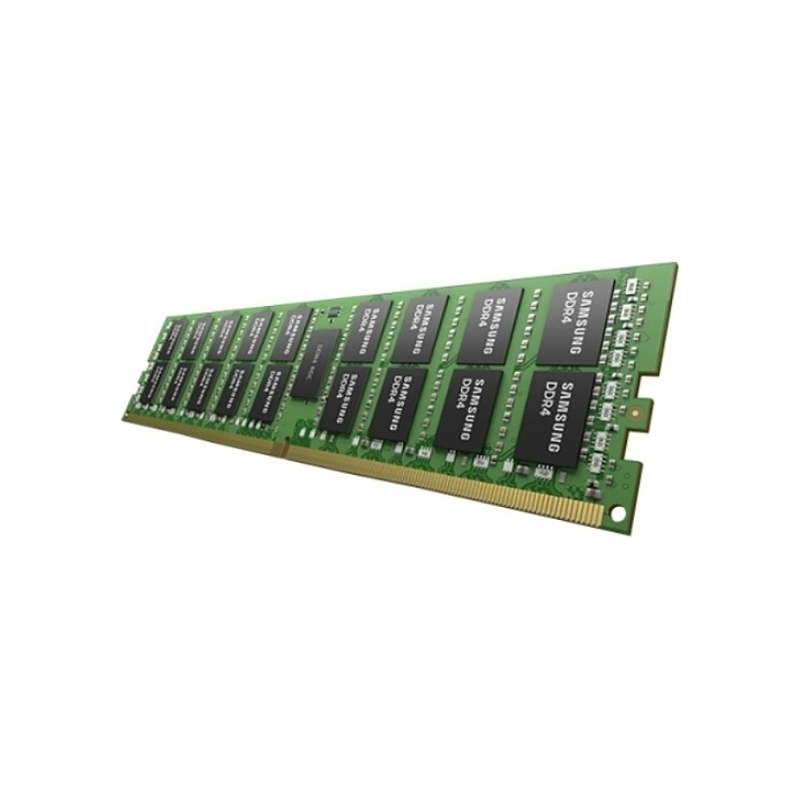
16 GB DDR4-2933 PC4-23400 ECC registered RDIMM, 2Rx8 on eighteen 8 Gb x8 packages, 1.2 V, 288-pin; six ordering codes under M393A2K43CB2-CVF with BY, CO, BQ, C0 and GQ tails
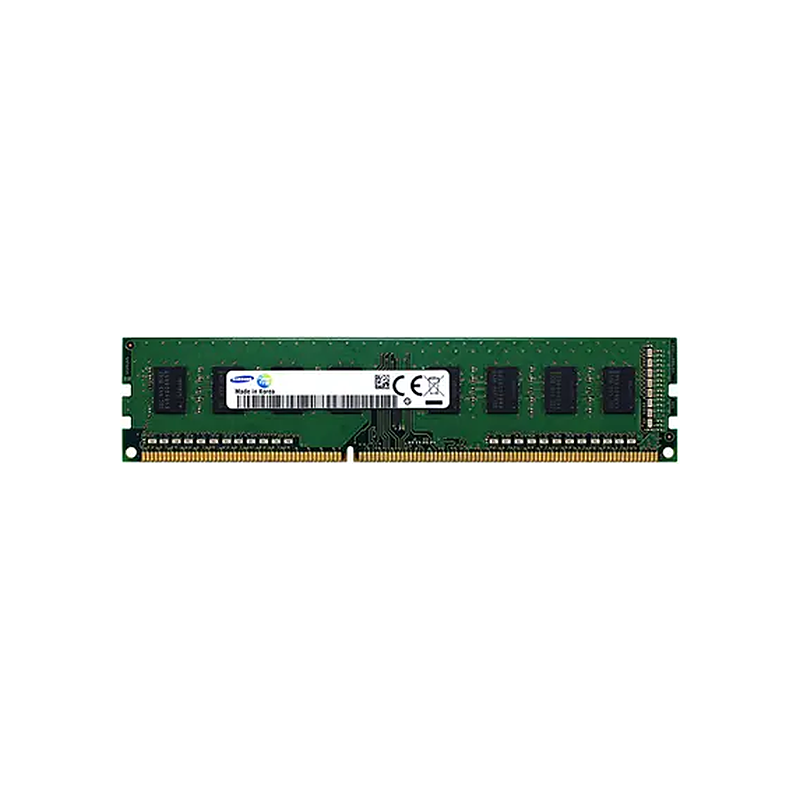
16 GB DDR4-2133 PC4-17000 ECC registered RDIMM, 2Rx8 on eighteen 8 Gb x8 packages, 1.2 V, 288-pin; nine ordering codes from M393A2K43BB1-CPB through the CPBQ tail
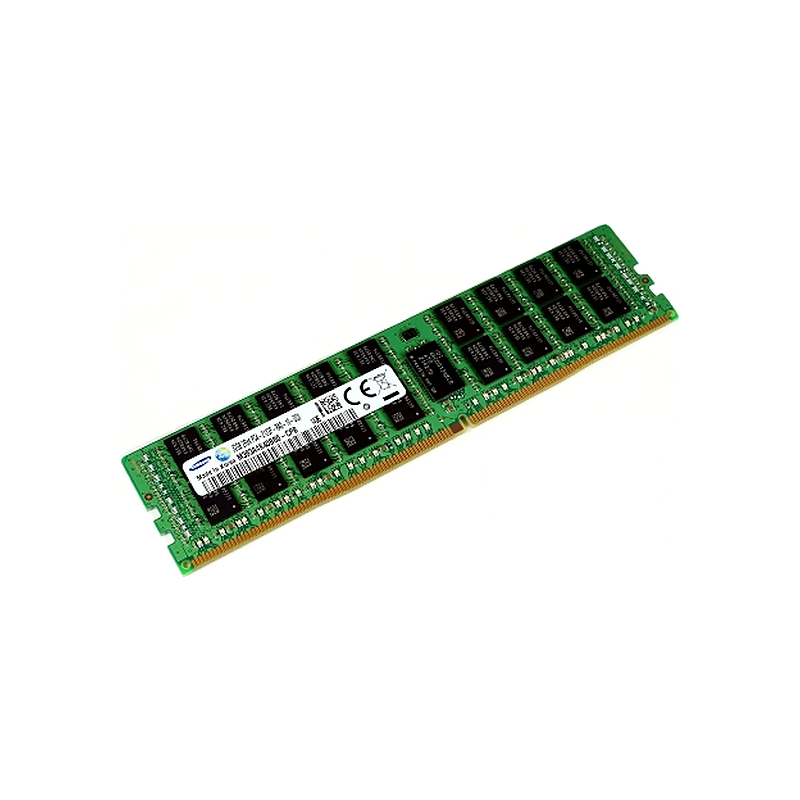
16 GB DDR4-2666 PC4-21300 ECC registered RDIMM, 2Rx8 on eighteen 8 Gb x8 packages, 1.2 V, 288-pin; six ordering codes under M393A2K43BB1-CTD with 6Q, 6Y, 7Q, 7Y and 8Q tails
16 GB DDR4-3200 PC4-25600 ECC registered RDIMM, 1Rx4 on eighteen 8 Gb x4 packages, 1.2 V, 288-pin; thirty-three ordering codes under the M393A2K40DB2, M393A2K40DB3 and M393A2K40EB3 revisions